From Theory to Practice: Applying Autonomic Management Techniques in Neuro Rehab
A practical 4-lesson course designed to help Physical and Occupational Therapists better understand autonomic complications and apply evidence-based management strategies in real treatment sessions.
Patients with neurologic conditions can already be complex to treat.
But when autonomic dysfunction, Post-Acute COVID Syndrome, POTS, or breathing difficulties are also part of the picture, treatment can feel even more challenging.
Your patient may be dealing with fatigue. Dizziness. Exercise intolerance. Shortness of breath. Heart rate changes. Sympathetic nervous system overactivity. Postural symptoms. Difficulty tolerating activity.
And as a therapist, it can be hard to know:
How much should I push?
When should I modify?
What signs should I watch for?
How do I safely prescribe exercise?
How does breathing affect posture, function, and participation?
How does the autonomic nervous system change my treatment plan?
And that’s exactly why this course was created.
Introducing...
From Theory to Practice: Applying Autonomic Management Techniques in Neuro Rehab
This course helps bridge the gap between understanding autonomic concepts and knowing how to apply them in clinical practice.
You’ll explore common presentations of Post-Acute COVID Syndrome, learn how to think through POTS and exercise prescription, examine the impact of the autonomic nervous system on therapeutic interventions, and develop practical breathing assessment and treatment strategies.
Because when the autonomic system is involved, your treatment decisions need to become more thoughtful, responsive, and individualized.
This course will help you do exactly that.
WITH 3.6 CONTACT HOURS
WHAT'S INSIDE THE COURSE?
4 Lessons Designed to Help You Translate Autonomic Concepts Into Clinical Practice
1. Post-Acute COVID Syndrome: PASC/Long-Haulers
In this lesson, you’ll examine common presentations of PASC and Long COVID in PT and OT practice, including the multi-system implications that may show up during examination and treatment.
You’ll learn how to recognize when post-COVID complications may be influencing your patient’s presentation so you can make more informed clinical decisions.
2. Postural Orthostatic Tachycardia Syndrome
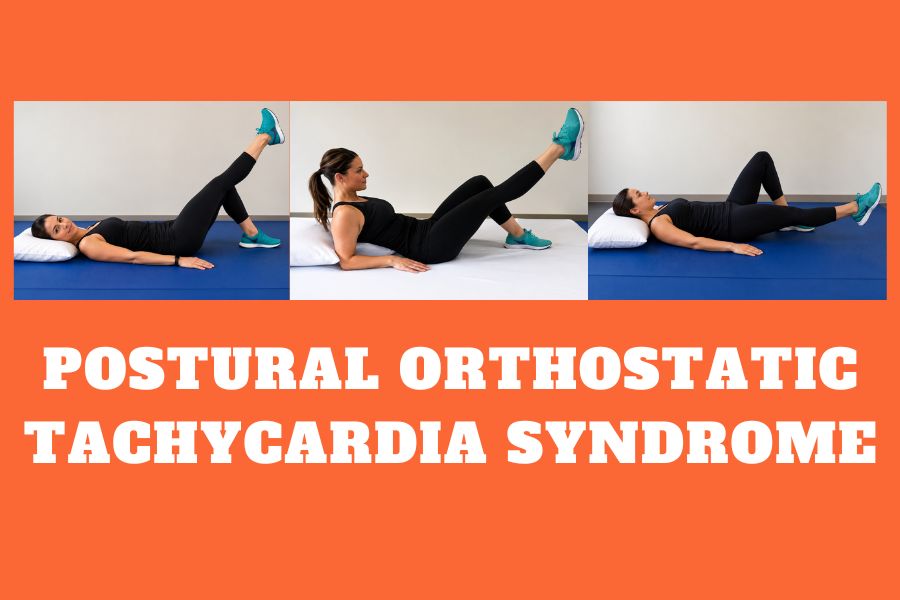
This lesson focuses on understanding POTS through a rehab lens, including how symptoms may present and how to design exercise prescriptions based on current evidence.
You’ll learn how to think through dosage, progression, positioning, and safety so you can better support patients who struggle with orthostatic intolerance and activity limitations.
3. The Autonomic System: Impacts on Therapeutic Interventions and Concepts for Treatment
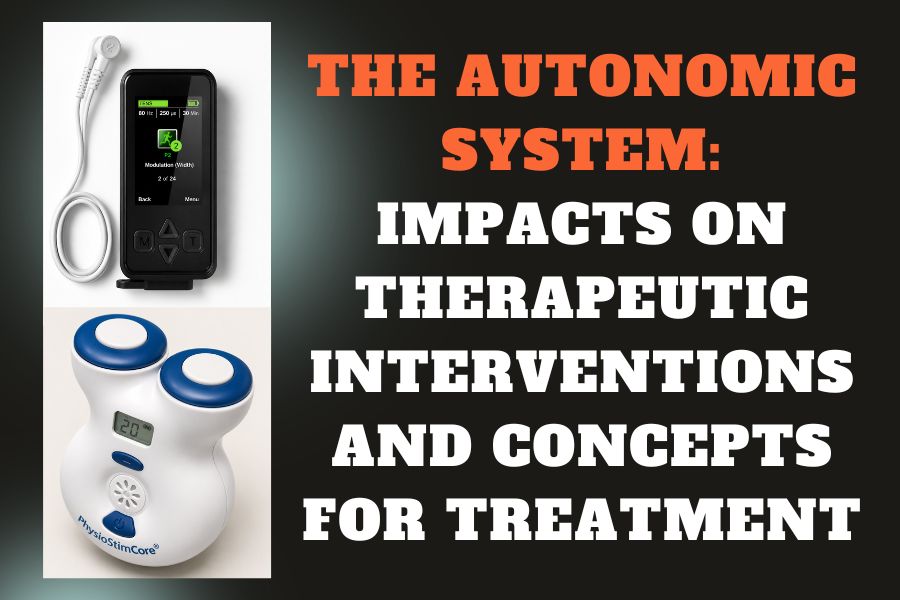
In this lesson, you’ll examine the role of the autonomic nervous system and how it can influence therapeutic interventions in PT and OT.
You’ll also explore treatment concepts that help you better support regulation, participation, and functional progress.
4. Integrating Breathing Basics into Treatment
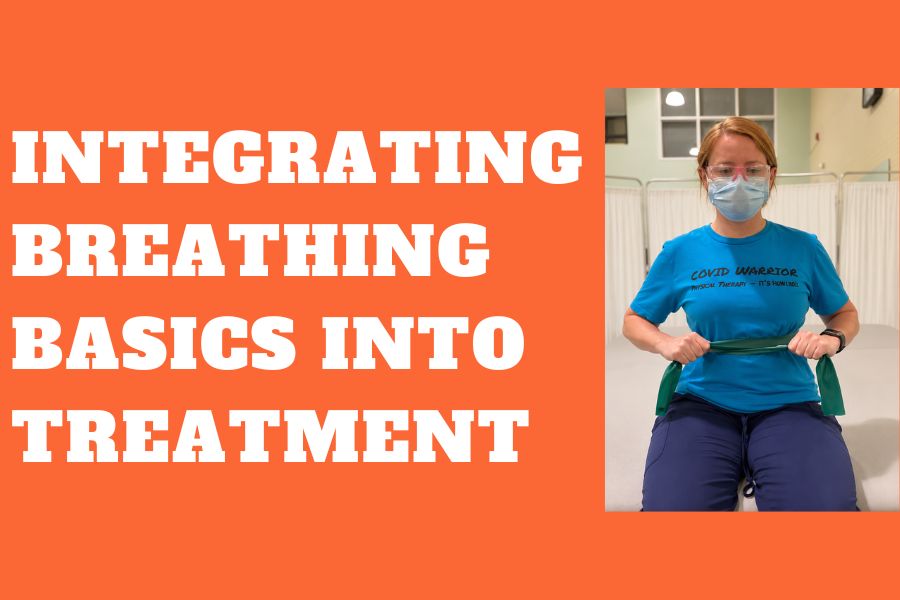
In this lesson, you’ll learn how to assess breathing patterns, breath control, and postural effects on respiration through observation and hands-on techniques, including measurement of chest wall excursion.
You’ll also learn how to select treatment strategies based on your breathing assessment findings so you can integrate breathing work into your PT or OT sessions with more confidence.
TRULY A NON-TRADITIONAL EDUCATION MODEL THAT FITS YOU! IT'S A NO-BRAINER!
THIS COURSE WILL HELP YOU...
✔ Evaluate multi-system implications of Long COVID and Post-Acute Sequelae of SARS-CoV-2 infection
✔ Identify common presentations of PASC in PT and OT examinations
✔ Design evidence-informed exercise prescriptions for individuals with POTS
✔ Understand the long-term effects of sympathetic nervous system overactivity
✔ Examine how the autonomic nervous system impacts therapeutic interventions
✔ Assess breathing patterns, breath control, and postural effects on respiration
✔ Select appropriate treatment strategies based on breathing assessment findings
AND HERE'S WHAT PARTICIPANTS ARE SAYING...