Parkinson's Disease Conference: An Interdisciplinary Approach to Optimize Outcomes
A 6-contact-hour course designed to help therapists apply evidence-based, interdisciplinary strategies to improve function, participation, and quality of life for people with Parkinson’s disease.
Working with people with Parkinson’s disease can be incredibly rewarding.
But it can also be complex.
Every person presents differently.
One client is struggling with mobility.
Another is having difficulty with dual tasking.
Another is experiencing visual changes that affect reading, walking, or self-care.
Another has reduced facial expression that impacts communication and connection.
Another needs help translating exercise into meaningful daily activities.
And as a busy therapist, it can be difficult to keep up with the latest literature while also knowing how to apply it in real treatment sessions.
That’s why this course was created.
It brings together key interdisciplinary strategies that support better outcomes for people with Parkinson’s — so you can build stronger, more complete plans of care.
Introducing...
Parkinson’s Disease Conference
In this course, you'll learn how to incorporate essential components of Parkinson’s care including aerobic exercise, skill-based training, medication considerations, dual tasking, visual rehab, facial muscle exercises, and amplitude-based strategies for daily activities.
It is designed to help you move beyond isolated interventions and create a more complete, evidence-informed treatment approach.
Because improving outcomes in Parkinson’s disease requires more than one strategy.
It requires understanding the whole person.
WITH 6.0 CONTACT HOURS
WHAT'S INSIDE THE COURSE?
6 Lessons Designed to Help You Build a More Complete Parkinson’s Plan of Care
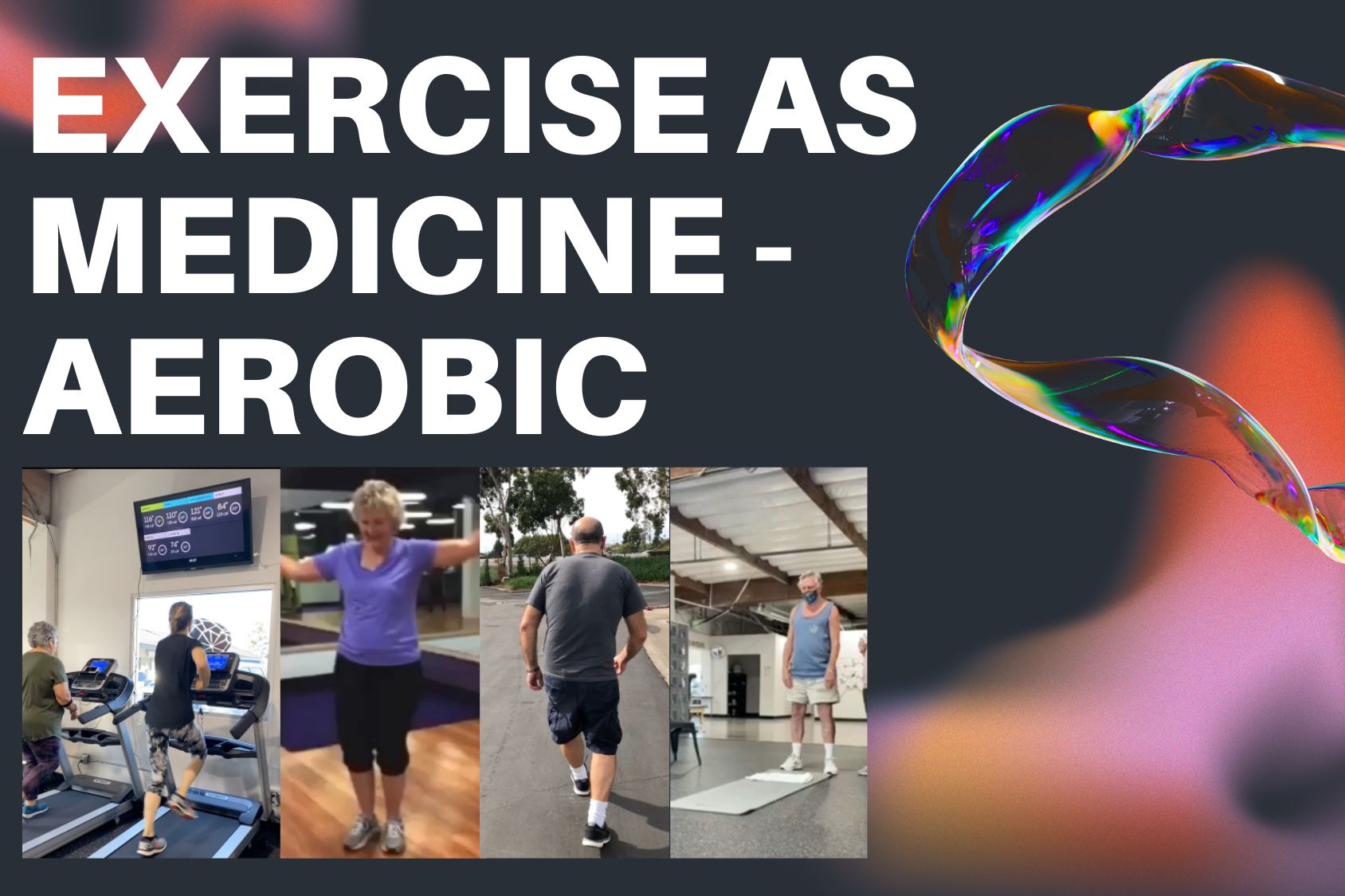
1. Exercise as Medicine - Aerobic
In this lesson, you’ll explore how aerobic training fits into an evidence-based Parkinson’s plan of care and how to apply exercise principles in a way that supports function, participation, and long-term health.
2. Exercise as Medicine - Skill-Based
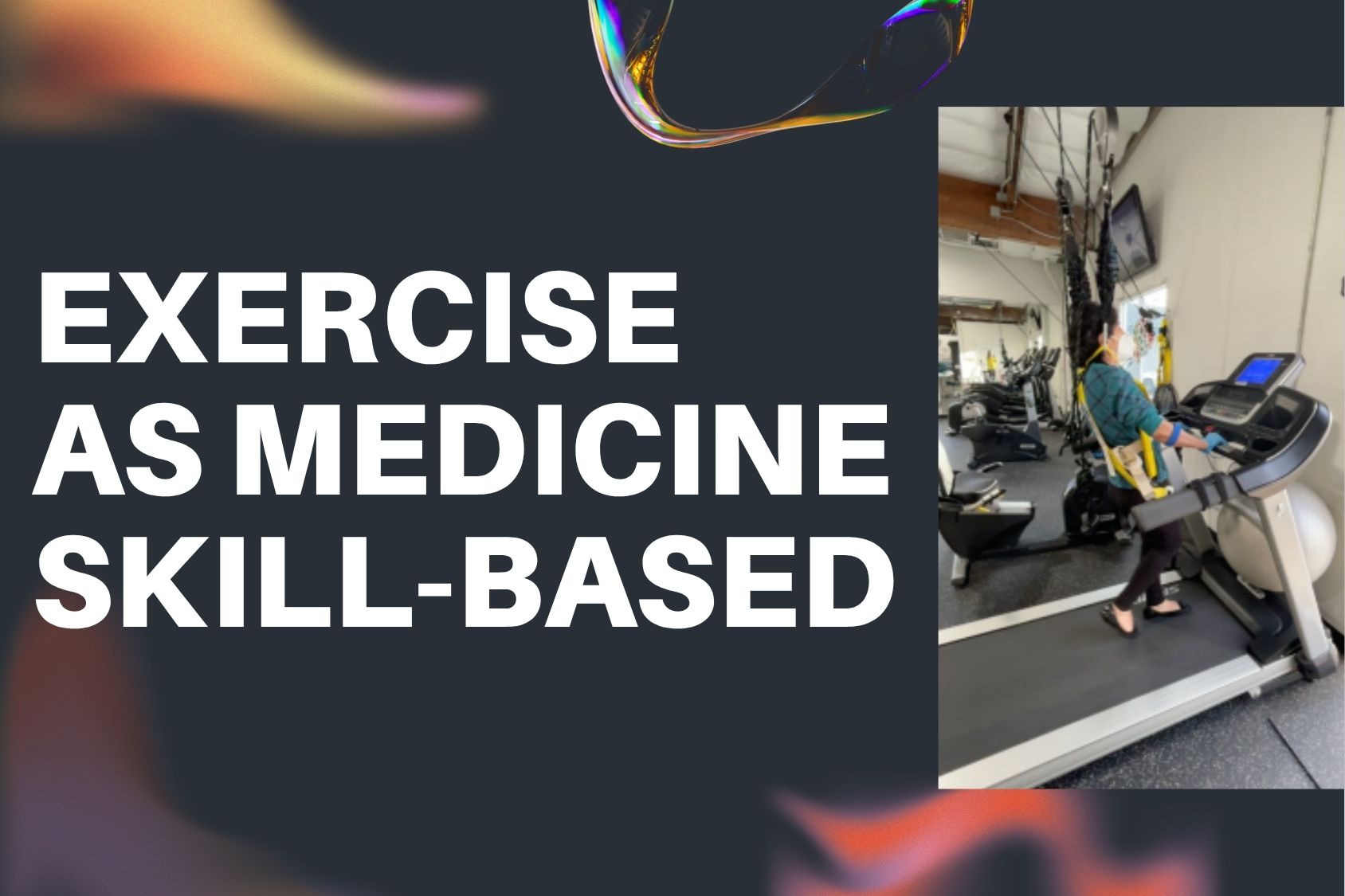
This lesson focuses on skill-based training and how to incorporate task-specific, functional, and meaningful movement into treatment.
You’ll learn how to design interventions that support motor learning, improve carryover, and help clients build skills that translate into everyday life.
3. Visual Dysfunction
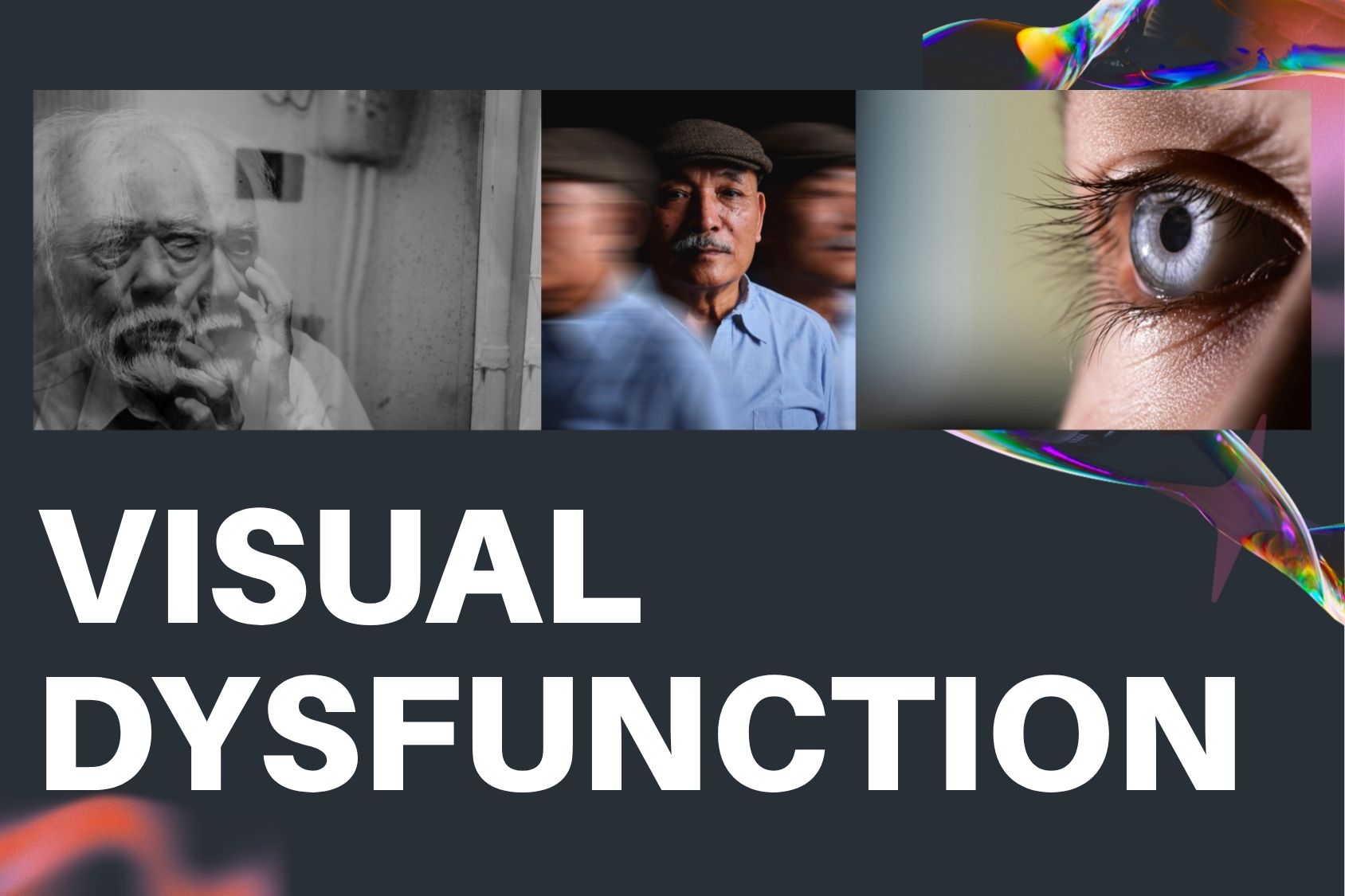
In this lesson, you’ll examine dopamine-related visual changes and learn how to apply this understanding to therapeutic planning so you can better support occupational performance and safety.
4. Active Circuit Session
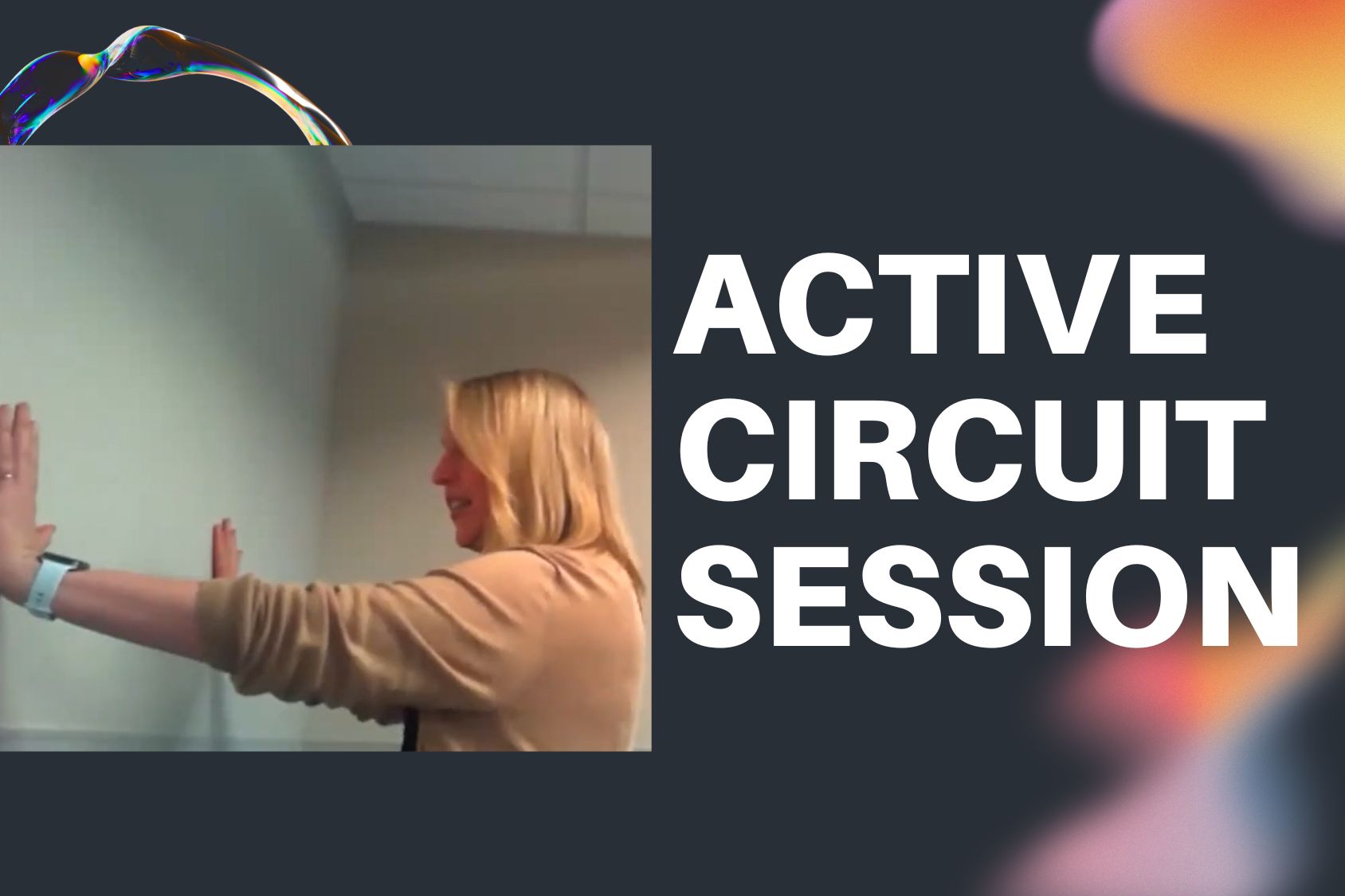
This lesson brings concepts together through an active interdisciplinary circuit.
You’ll see how different components of Parkinson’s care can be integrated into a more dynamic treatment approach, helping you think beyond isolated exercises and build sessions that address multiple functional needs.
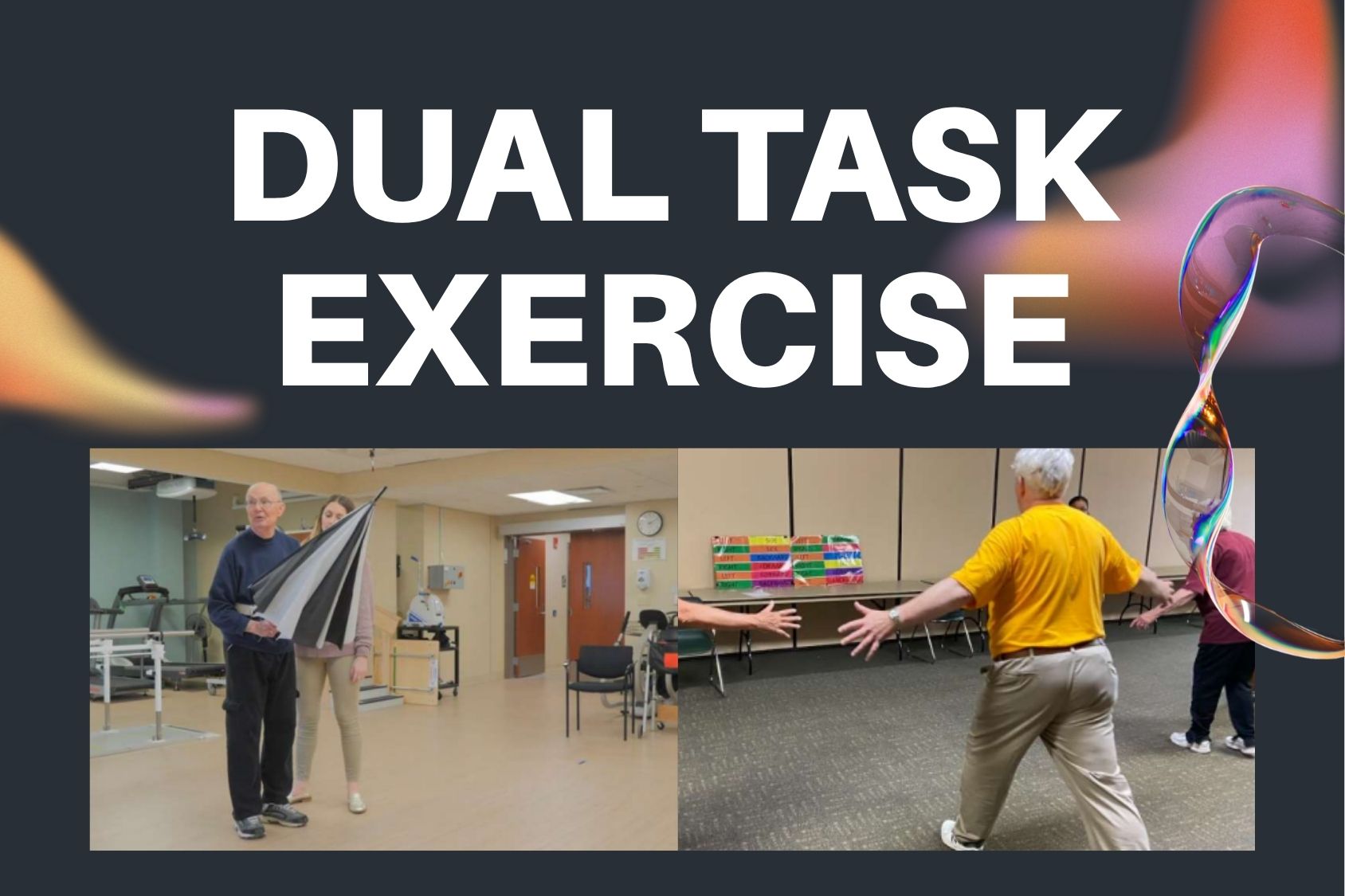
5. Dual Task Exercise
In this lesson, you’ll learn how to design dual task and cognitive training interventions using current evidence to support better functional outcomes for individuals with Parkinson’s disease.
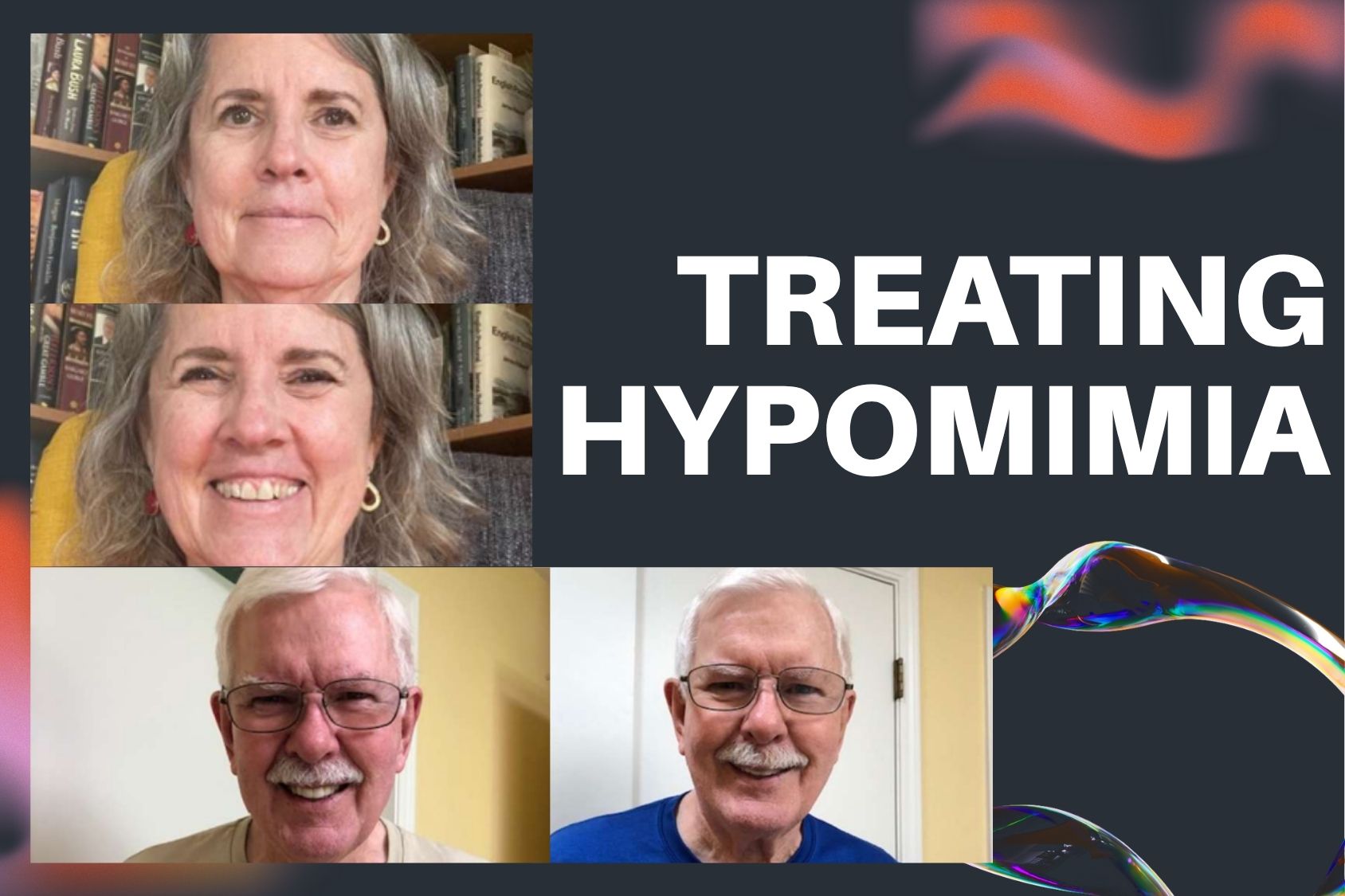
6. Treating Hypomimia
This lesson focuses on identifying symptoms of hypomimia and developing patient-centered facial rehabilitation strategies.
You’ll learn how facial muscle exercises can become part of a more complete Parkinson’s treatment plan — supporting not only movement, but also quality of life and meaningful interaction.
TRULY A NON-TRADITIONAL EDUCATION MODEL THAT FITS YOU! IT'S A NO-BRAINER!
THIS COURSE WILL HELP YOU...
✔ Formulate evidence-based treatment plans that address functional challenges and meaningful daily activities
✔ Design dual tasking and cognitive training interventions to support functional outcomes
✔ Create individual or group exercise programs using evidence-based components from the interdisciplinary team
✔ Assess symptoms of hypomimia and develop facial rehabilitation strategies
✔ Understand how dopamine-related visual changes may impact occupational performance
✔ Use vision screening tools to identify deficits that affect reading, mobility, self-care, and daily occupations
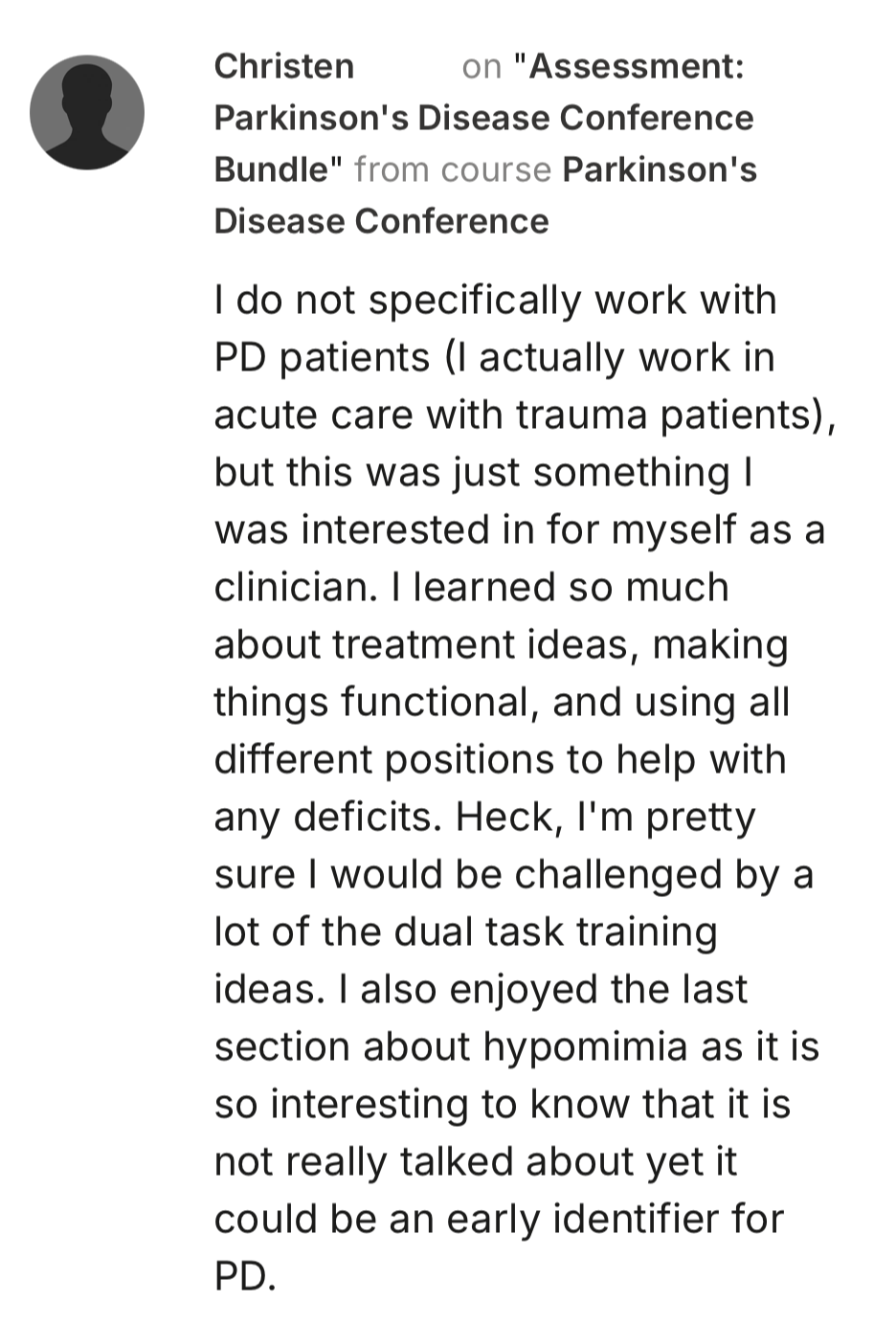
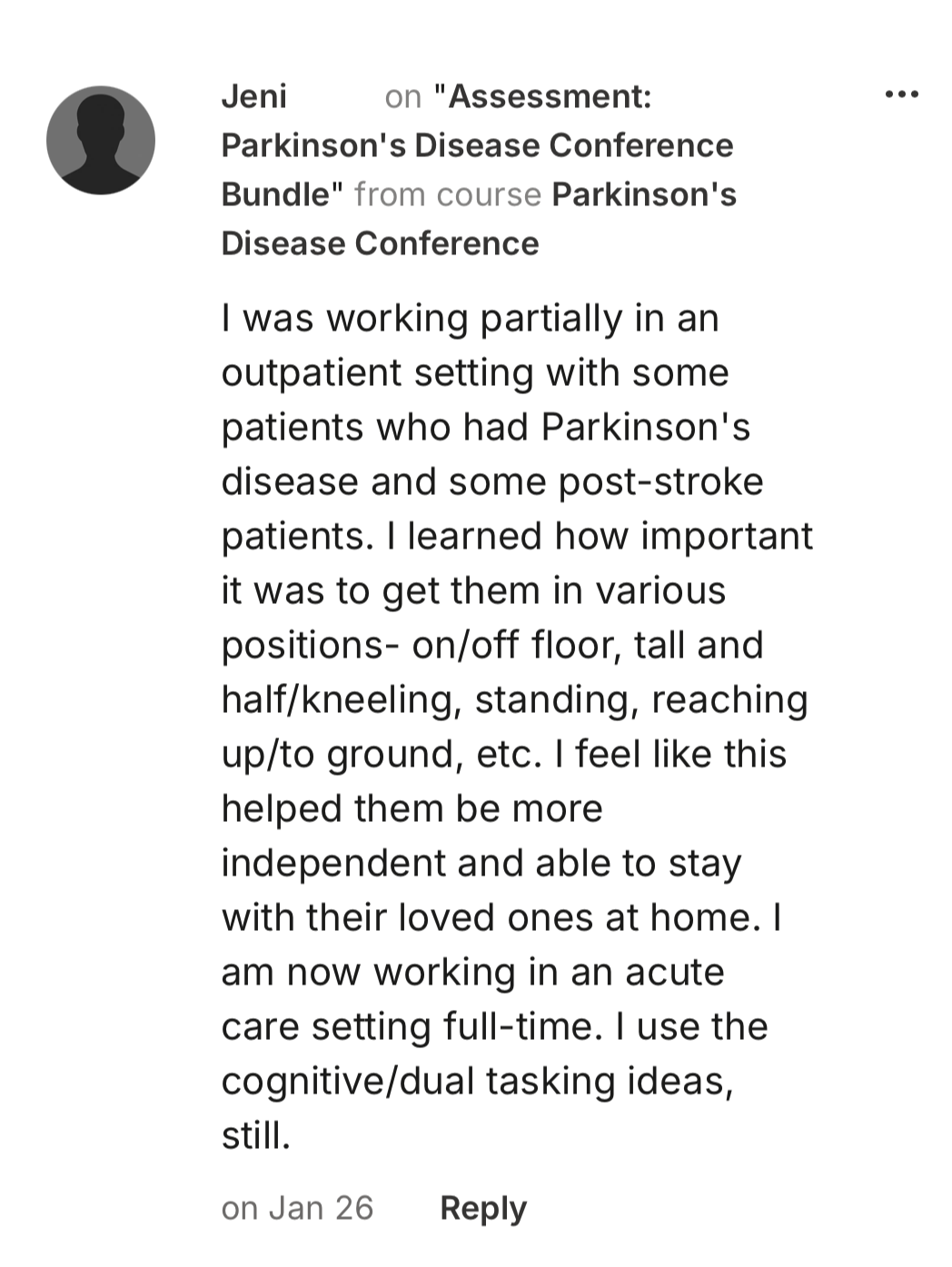
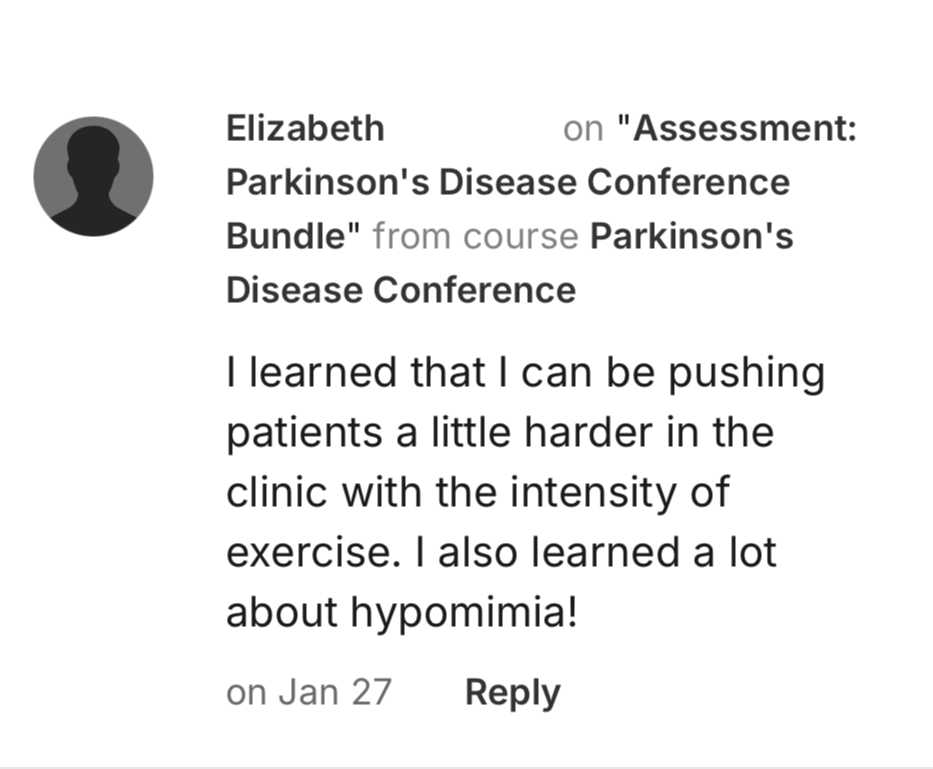
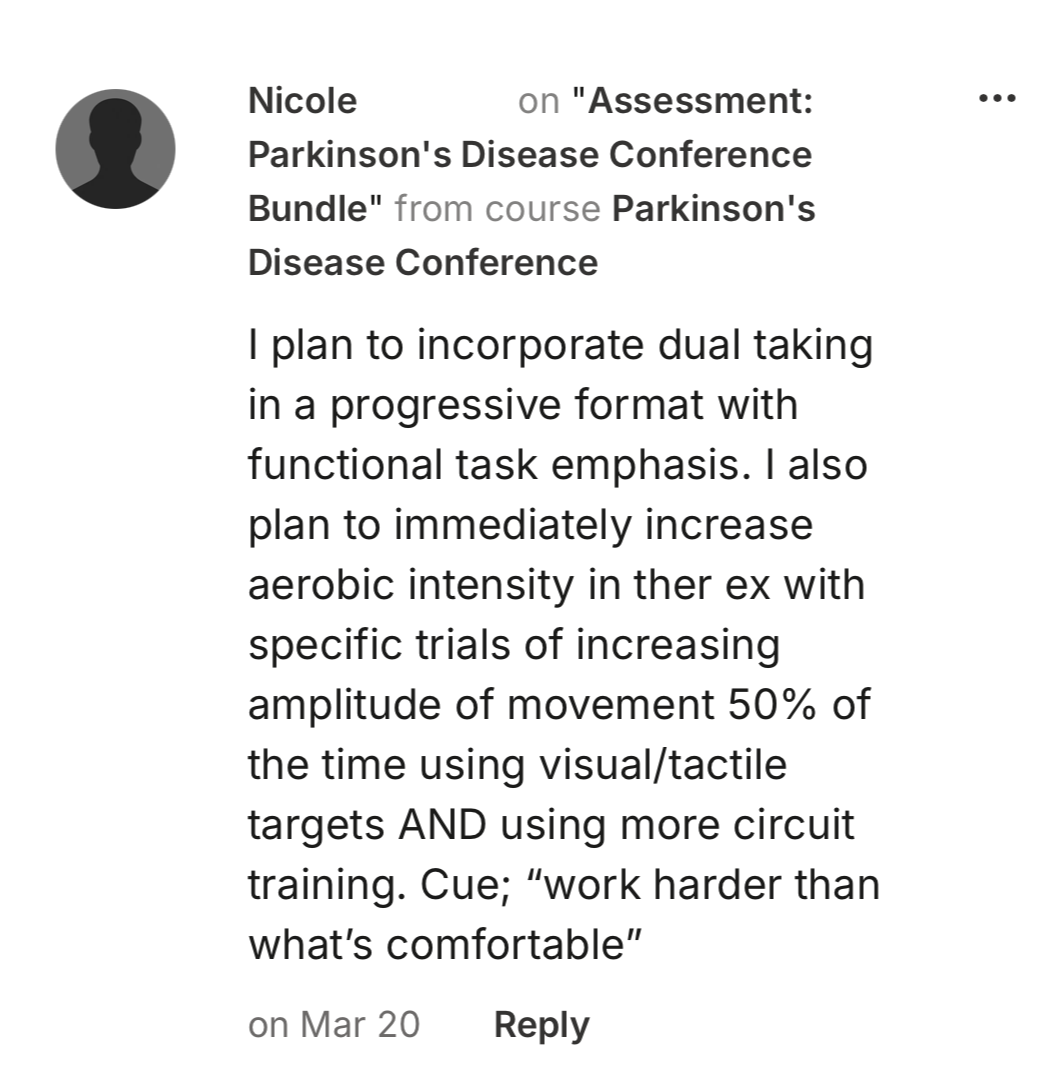
AND HERE'S WHAT PARTICIPANTS ARE SAYING...