Advanced Practices for BPPV
Build the Clinical Reasoning Skills to Assess and Treat BPPV - Even When the Presentation Isn’t Straightforward
with Dr. Christina Garrity, PT, DPT, NCS
BPPV may be common.
But that doesn’t mean every case is simple.
Sometimes the nystagmus doesn’t look exactly like you expected.
The positional test is positive - but you’re not completely sure which canal is involved.
The patient improves after treatment...then comes back.
More than one canal may be involved.
Or the findings make you wonder whether you’re looking at BPPV at all.
That’s when memorizing another repositioning maneuver isn’t enough.
You need to understand what you’re seeing, what it means, and how those findings should guide your next clinical decision.
That’s exactly what this course was designed to help you do.
Introducing...
Advanced Practices for BPPV
This 4.5-contact-hour, self-paced course is designed to help Physical Therapists evaluate, differentiate, and treat typical, atypical, recurrent, and complex BPPV presentations with greater confidence.
WITH 4.5 CONTACT HOURS
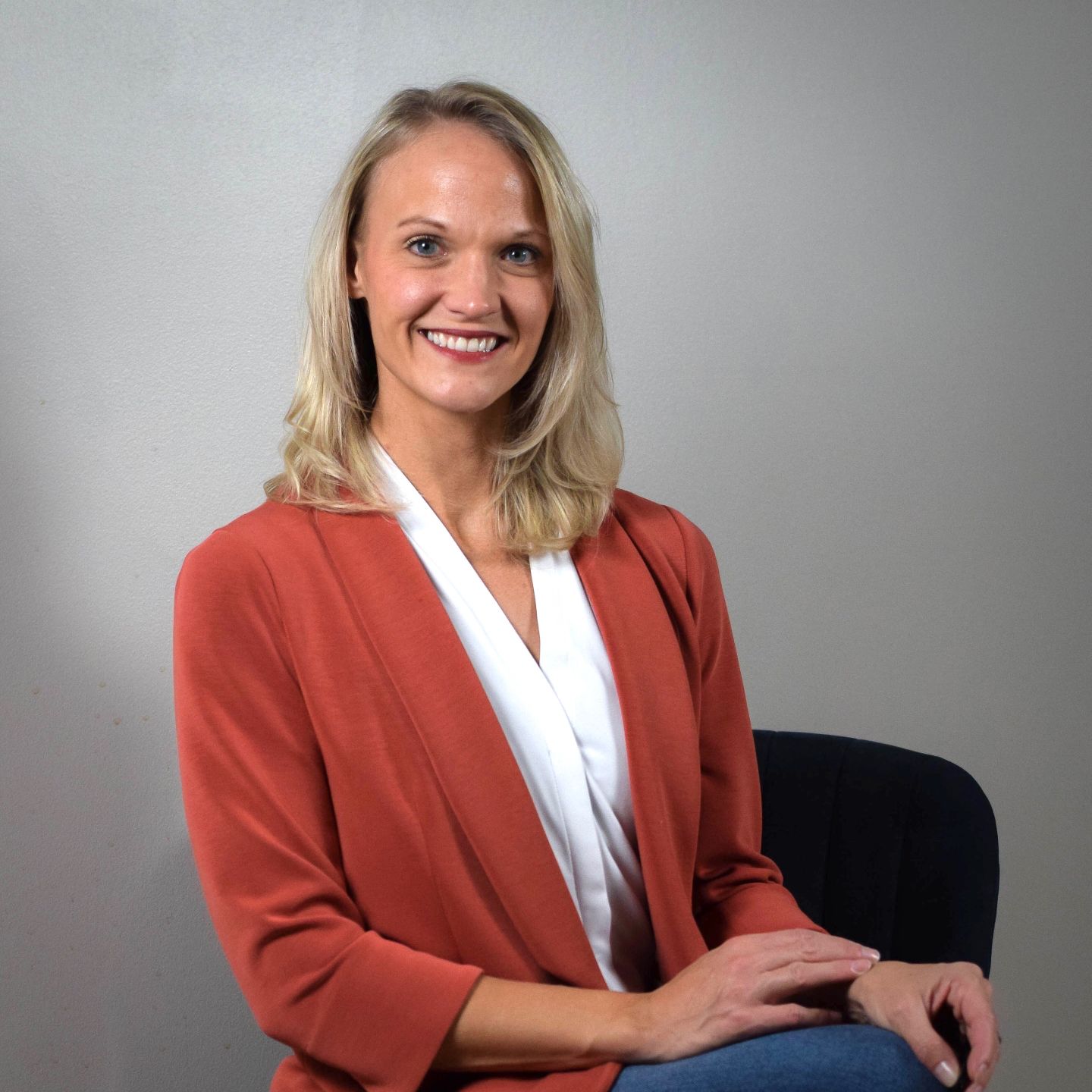
Meet your instructor:
Dr. Christina Garrity, PT, DPT, NCS
She's known as THE vestibular PT! And she's ready to help you become a dizziness-busting ambassador no matter where you're starting. Her approach to teaching is accessible and fresh making every clinician feel empowered with patients experiencing dizziness and balance dysfunction.
Christina Garrity has been a practicing PT for over 10 years. She is a Board Certified Specialist in Neurologic Physical Therapy. Christina is a vestibular therapist who has completed Emory's Vestibular Rehabilitation Certification course and The University of Pittsburg advanced vestibular rehabilitation course. In 2022 she opened her own neurologic and vestibular therapy private practice, Labyrinth PT and Wellness in Ohio. She serves as adjunct faculty for multiple physical therapy programs in Ohio and is currently working on her PhD in Rehabilitation Sciences.
Christina's goal is to demystify vestibular therapy for all rehab professionals helping them to realize they do not need to be a vestibular expert or have high-tech equipment to make an impact on someone's balance and function.
WHAT'S INSIDE THIS MINI COURSE?
Lesson 1: Introduction to BPPV
You’ll review the anatomy, physiology, and mechanisms involved in BPPV so you can better understand why different positional tests produce the findings you see and how otoconia moving within the vestibular system influence symptoms and nystagmus.
Lesson 2: Posterior Canal BPPV
Posterior canal BPPV may be the most common presentation - but not every posterior canal case behaves the same way.
You’ll explore:
- Posterior canal assessment
- Treatment approaches
- Posterior canal variants
- Interpretation of positional findings
- How examination findings influence treatment selection
Lesson 3: Anterior Canal BPPV
This section helps you better understand the findings associated with anterior canal involvement and how to reason through the examination when the presentation isn’t immediately obvious.
Lesson 4: Horizontal Canal BPPV
You’ll learn how to assess horizontal canal involvement, interpret positional findings, and select treatment strategies based on what your examination reveals.
Lesson 5: Complex BPPV and Other Considerations
This is where the course moves beyond the straightforward cases.
You’ll explore:
- Canal jam
- Light cupula
- Multi-canal BPPV
- Additional BPPV recommendations
- Central mimickers
- Strategies for assessment when you don’t have vestibular goggles
Lesson 6: Real Patient Case Studies
You’ll work through multiple real patient cases and analyze examination findings, nystagmus characteristics, canal involvement, and treatment decisions.
TRULY A NON-TRADITIONAL EDUCATION MODEL THAT FITS YOU! IT'S A NO-BRAINER!
THIS COURSE IS FOR YOU IF...
✔ You already understand the basics of BPPV and want to strengthen what comes next.
✔ You treat people with dizziness and want to feel more confident interpreting positional testing and nystagmus.
✔ You sometimes find yourself unsure which canal is involved or which treatment approach to choose.
✔ You want more exposure to atypical, recurrent, variant, and multi-canal BPPV presentations.
✔ You want to move beyond memorized maneuvers and develop stronger vestibular clinical reasoning.
QUESTIONS?
Check out our FAQ's or send an email to info@neurocollaborative.com
AND HERE'S WHAT PARTICIPANTS ARE SAYING...


BPPV ISN'T ALWAYS A TEXTBOOK CASE
Sometimes the findings are clear.
Sometimes they aren't.
And the difference between simply performing a maneuver and truly managing BPPV is being able to interpret the examination, understand the mechanism, and adapt your treatment accordingly.